Organic Chemistry AI
Solve reactions, mechanisms, and organic chemistry questions step by step
How to Use
Get started in 3 simple steps
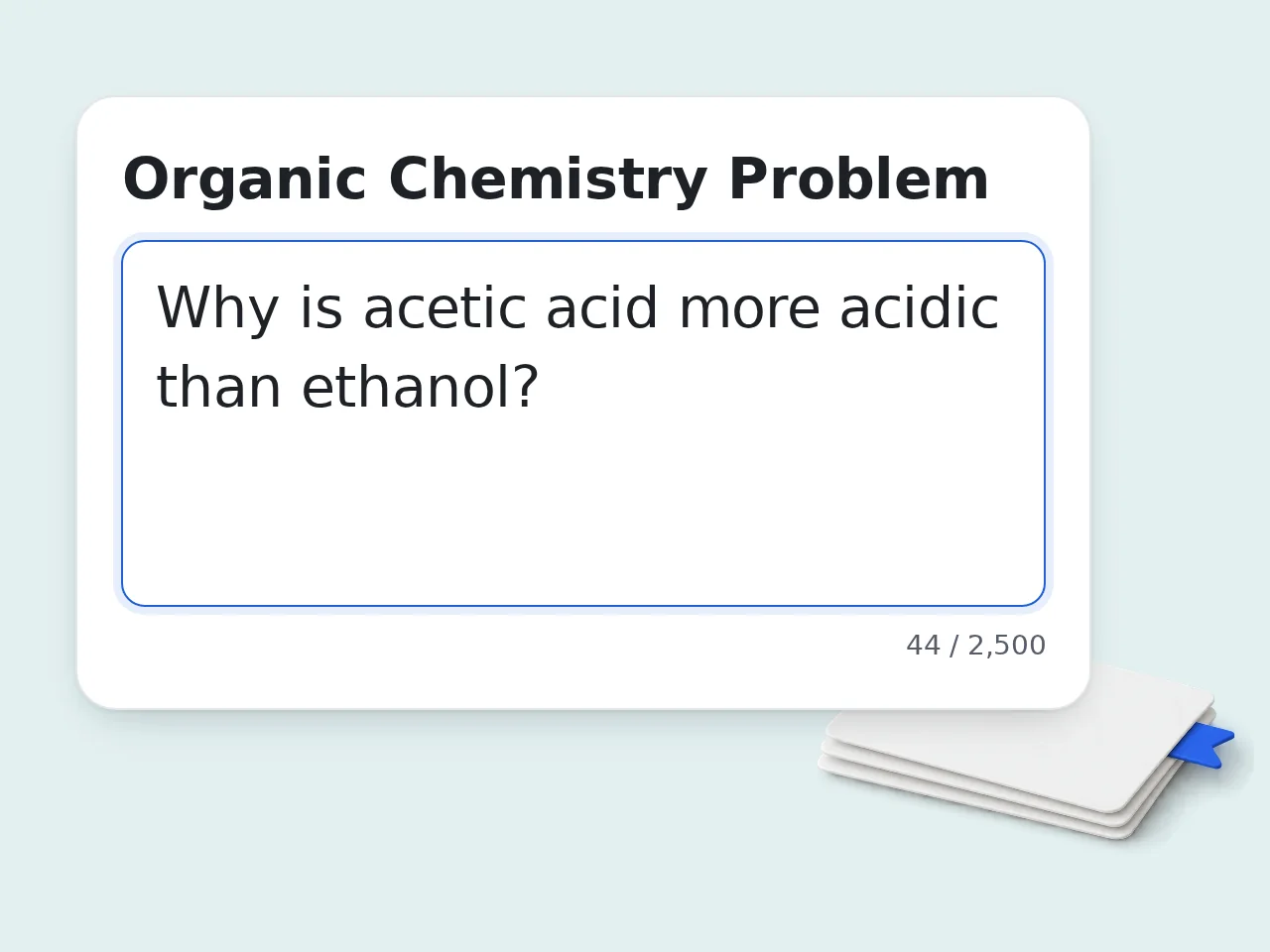
Paste the chemistry problem
Enter the full reaction, mechanism, concept question, spectrum, or synthesis prompt with any conditions given.
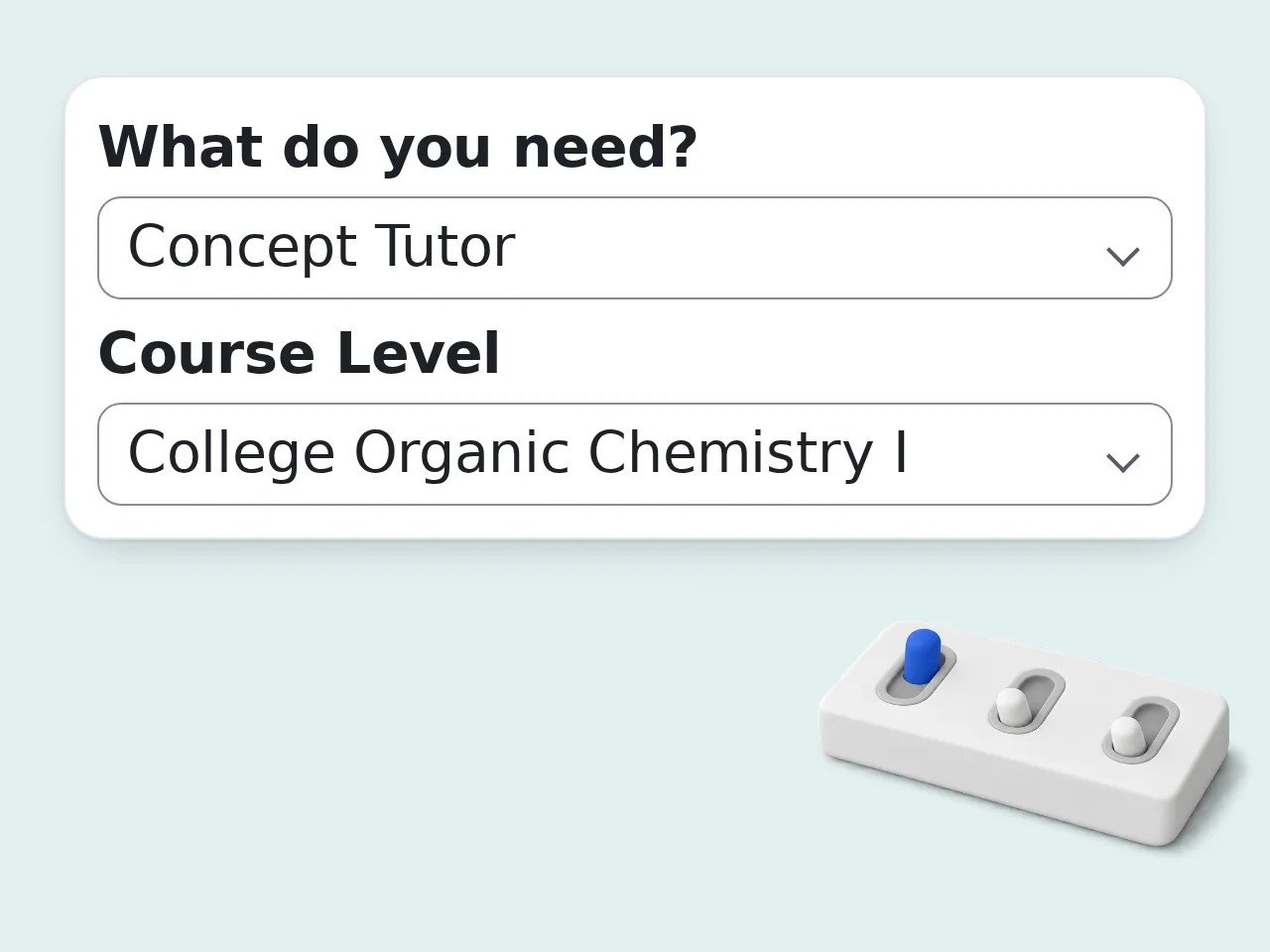
Choose level and answer style
Pick course level, topic focus, and whether you want a concise exam answer or detailed tutor explanation.
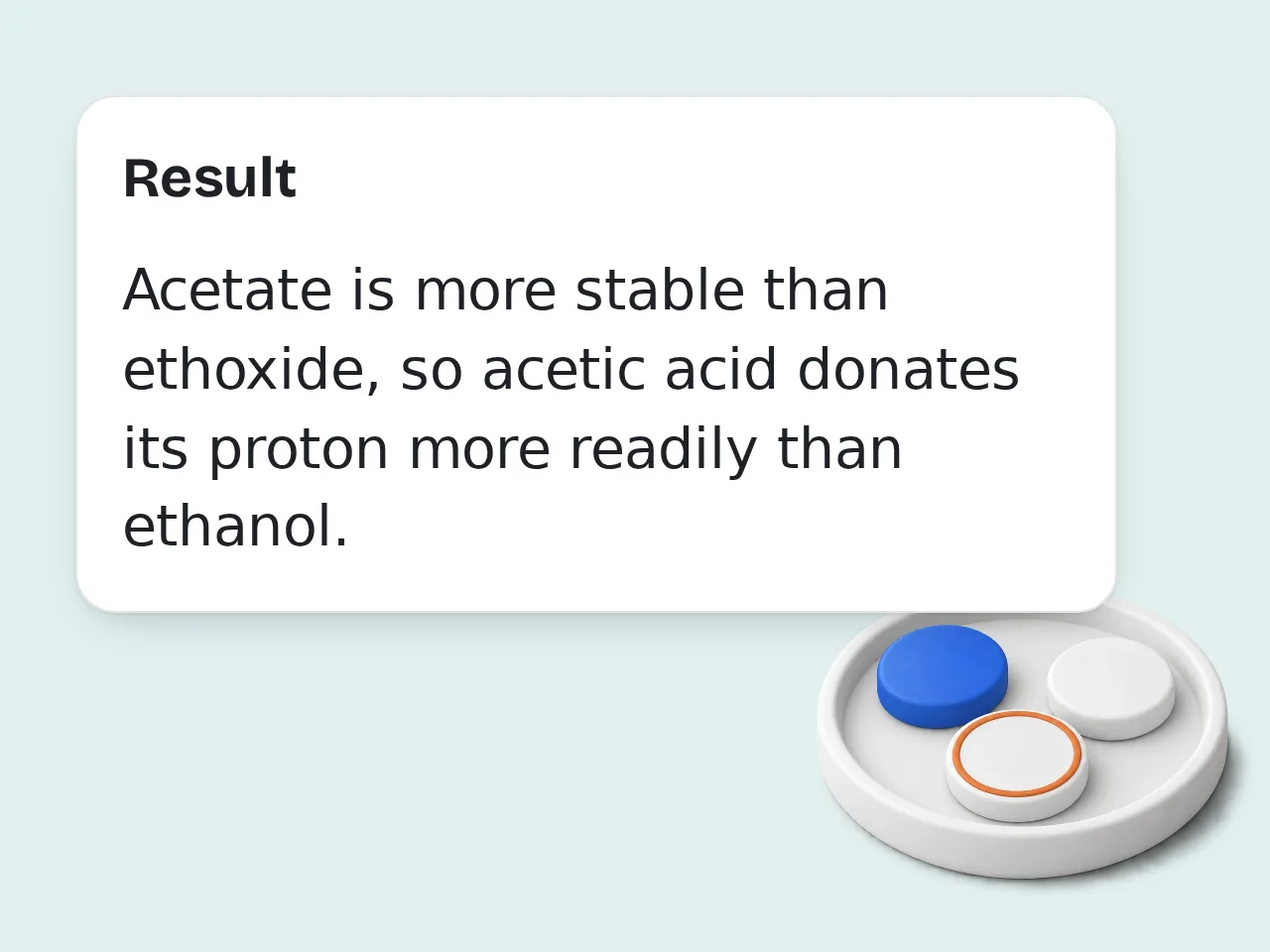
Generate the explanation
Review the organic chemistry ai answer, check assumptions, and compare the reasoning with your course notes.
Organic Chemistry AI Features
Reaction solving and tutoring in one organic chemistry ai tool
Step-by-Step Reaction Reasoning
See why a product or mechanism is likely, including reagents, intermediates, stereochemistry, and common pathway choices.
Mechanism and Concept Tutor
Turn confusing organic chemistry ideas into clear explanations for SN1/SN2, E1/E2, resonance, acidity, carbonyls, and more.
Spectra and Synthesis Help
Organize NMR, IR, MS, synthesis, and retrosynthesis clues into a readable answer you can review before class or exams.
Frequently Asked Questions
Organic Chemistry AI
What is organic chemistry ai?
Organic chemistry ai is a study tool that explains organic chemistry problems with step-by-step reasoning. It can help with reaction prediction, mechanisms, stereochemistry, spectroscopy, synthesis planning, and concept review. Instead of returning only a final answer, it shows the chemical logic behind the answer so you can learn the pattern. Use it for homework practice, exam review, MCAT prep, or checking your understanding before asking a teacher or tutor.
How can organic chemistry ai help with reactions?
Organic chemistry ai can predict likely products and explain why a reaction follows a certain pathway. For example, it can compare SN1, SN2, E1, and E2 possibilities by looking at substrate structure, nucleophile strength, solvent, base strength, and temperature. It can also point out major and minor products when the information is clear. If your prompt lacks reagents or conditions, the tool will state assumptions rather than pretending the answer is certain.
Can this organic chemistry ai explain mechanisms?
Yes. This organic chemistry ai can break mechanisms into readable steps: identify the reactive site, describe electron movement, name intermediates, and explain why each step happens. It works best when you include the starting material, reagents, solvent, and any condition such as heat or acid. For learning, ask for detailed tutor mode. For exams, choose concise exam answer so the explanation focuses on the reasoning you would write on a test.
Is organic chemistry ai accurate for homework?
Organic chemistry ai can be very useful for homework practice, but chemistry answers should still be checked against your course notes, textbook, or instructor rules. Organic reactions depend heavily on conditions, stereochemistry, and context. The tool is strongest when the problem statement is complete. If you paste a vague question, it may need to make assumptions. Treat the output as guided reasoning, not as a replacement for learning the underlying organic chemistry concepts.
Can organic chemistry ai solve spectroscopy questions?
Organic chemistry ai can help interpret common organic spectroscopy clues, including basic NMR, IR, mass spectrometry, and structure-identification prompts. It can organize peaks, functional groups, degrees of unsaturation, and possible structures in a clear sequence. Include all given values, units, integrations, splitting patterns, and molecular formula when available. The tool can explain likely assignments, but final structure confirmation should match your course conventions and the full data set.
Does organic chemistry ai support stereochemistry?
Yes. Organic chemistry ai can explain stereochemistry topics such as chirality, R/S assignment, E/Z alkenes, enantiomers, diastereomers, meso compounds, and stereochemical reaction outcomes. It can also warn when a text-only prompt is missing the wedge/dash information needed for a certain answer. If stereochemistry matters, describe the drawing carefully or paste labels from your problem so the tool can reason from the correct spatial information.
Can it help with synthesis and retrosynthesis?
Organic chemistry ai can suggest educational synthesis logic and retrosynthetic disconnections for normal coursework problems. It can identify functional group transformations, likely starting materials, protecting-group concerns at a basic level, and common route mistakes. For safety, it should not be used as a substitute for lab supervision or professional synthesis planning. When you ask for synthesis help, include target molecule details, allowed reagents, course chapter, and any restrictions from your assignment.
Is this organic chemistry ai free to use?
Yes. The organic chemistry ai tool is free to try with daily usage limits. Guests can ask questions without creating an account, and registered users usually receive a higher allowance. The main features—problem input, course level, answer style, topic focus, and output language—are available from the form. If you need many detailed explanations during exam season, logging in is more practical because it keeps your usage limit from running out too quickly.
What should I type into organic chemistry ai?
Type the full organic chemistry problem, including starting materials, reagents, solvent, temperature, and what the question asks. If the problem includes a spectrum, paste the peaks and values. If it asks for a mechanism, say whether you need a full explanation or a concise exam answer. A good prompt is specific: “Predict the major product for 2-bromobutane with NaOEt in ethanol and explain E2 stereochemistry.” Specific input gives better reasoning.
Can organic chemistry ai replace a tutor?
Organic chemistry ai can act like a quick study assistant, but it does not fully replace a tutor, professor, or lab instructor. It is excellent for repeated practice, first-pass explanations, and checking why a mechanism makes sense. A human tutor is still better for diagnosing long-term gaps, grading course-specific work, and correcting drawings in real time. Use the tool to prepare better questions and to practice between tutoring sessions.
What makes organic chemistry ai different from a general chatbot?
Organic chemistry ai is shaped around chemistry workflows: reaction prediction, mechanism reasoning, stereochemistry checks, spectroscopy organization, and exam-style explanations. A general chatbot may answer broadly, but this tool asks the model to structure chemistry reasoning and avoid pretending when conditions are missing. It also gives form controls for course level, answer style, and topic focus, so the output is easier to tune for high school, college organic chemistry, or MCAT review.
How do I get better organic chemistry ai answers?
Give complete chemical context and choose the right mode. Include reagents, solvent, heat, substrate structure, stereochemical labels, spectra values, and your course level. Ask for “step-by-step mechanism” when learning and “concise exam answer” when reviewing. If the first answer feels too broad, regenerate with a narrower prompt such as “focus only on why SN2 is disfavored.” Organic chemistry ai works best when the question is specific.
Still have questions?
Contact our support teamReady to Solve Organic Chemistry?
Get step-by-step organic chemistry help for reactions, mechanisms, spectra, and exam review.