Story Outline Example Generator
See a complete outline, then learn why every beat works
How to Create a Story Outline Example
Choose the lesson, generate a model, then adapt the pattern
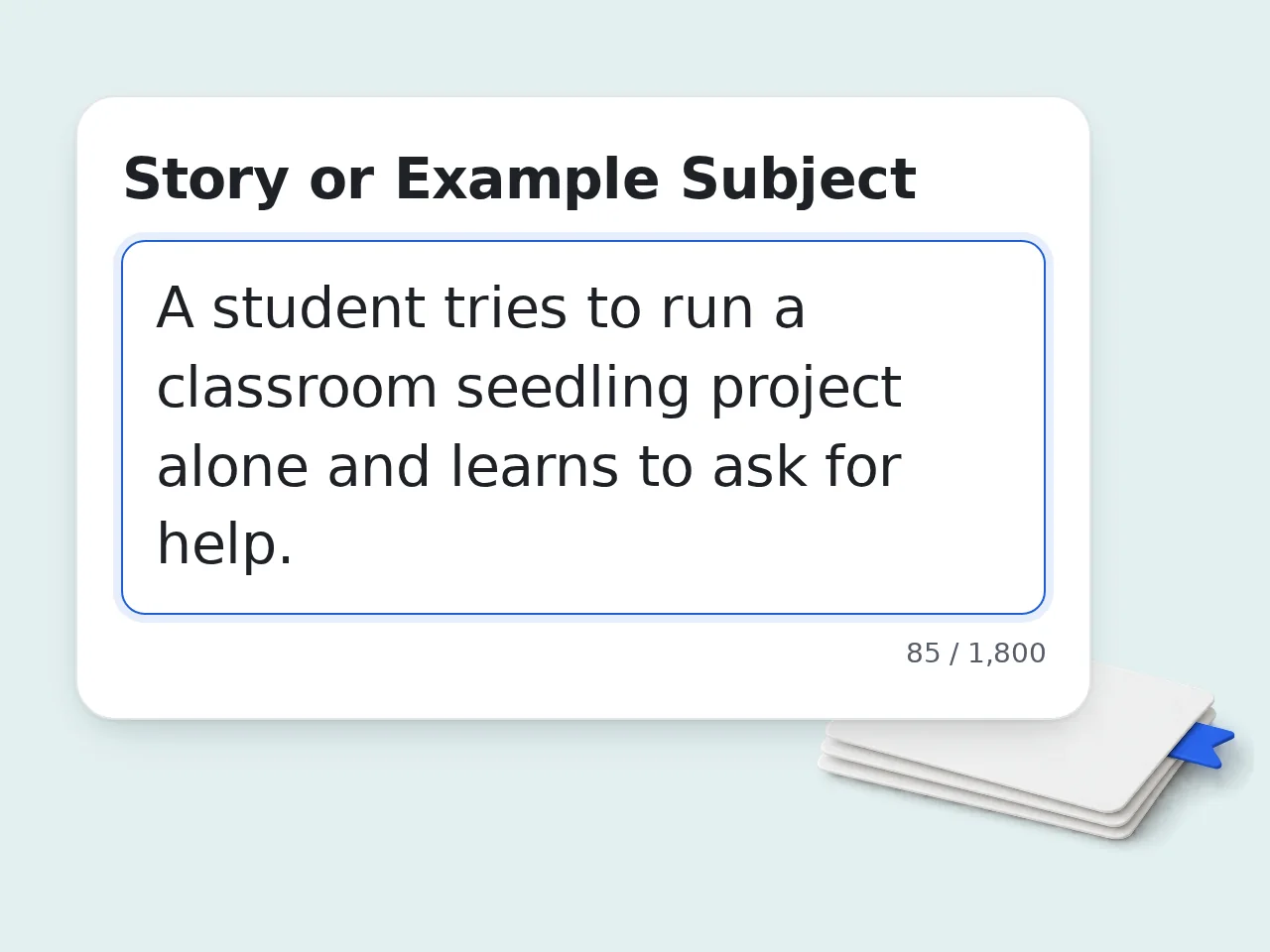
Describe the Example You Need
Enter a premise, subject, genre, or assignment. A one-sentence idea is enough for a focused story outline example.
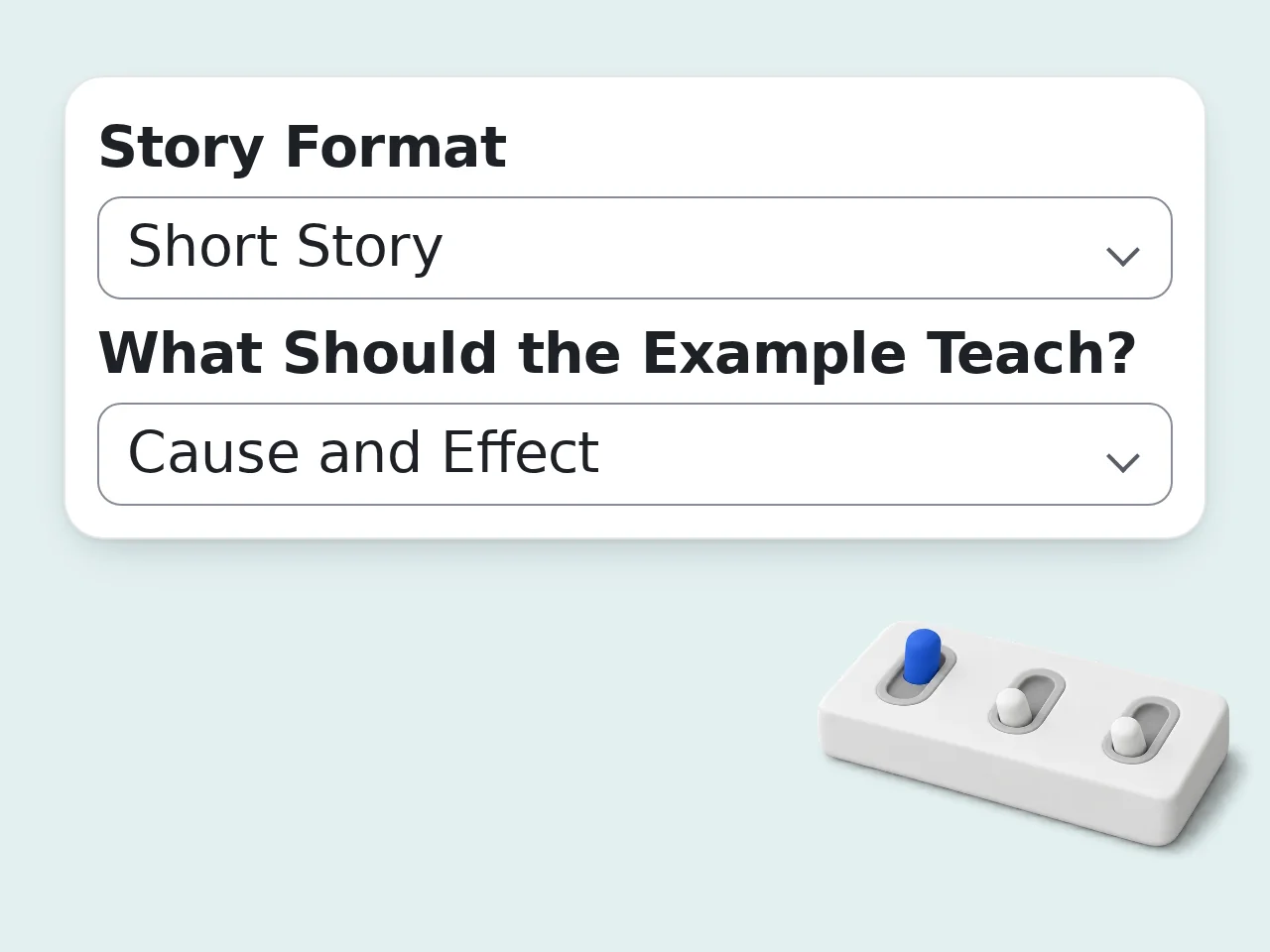
Choose Format and Learning Goal
Select short story, novel, screenplay, children's story, or classroom narrative, then choose structure, causality, assignment, or comparison.
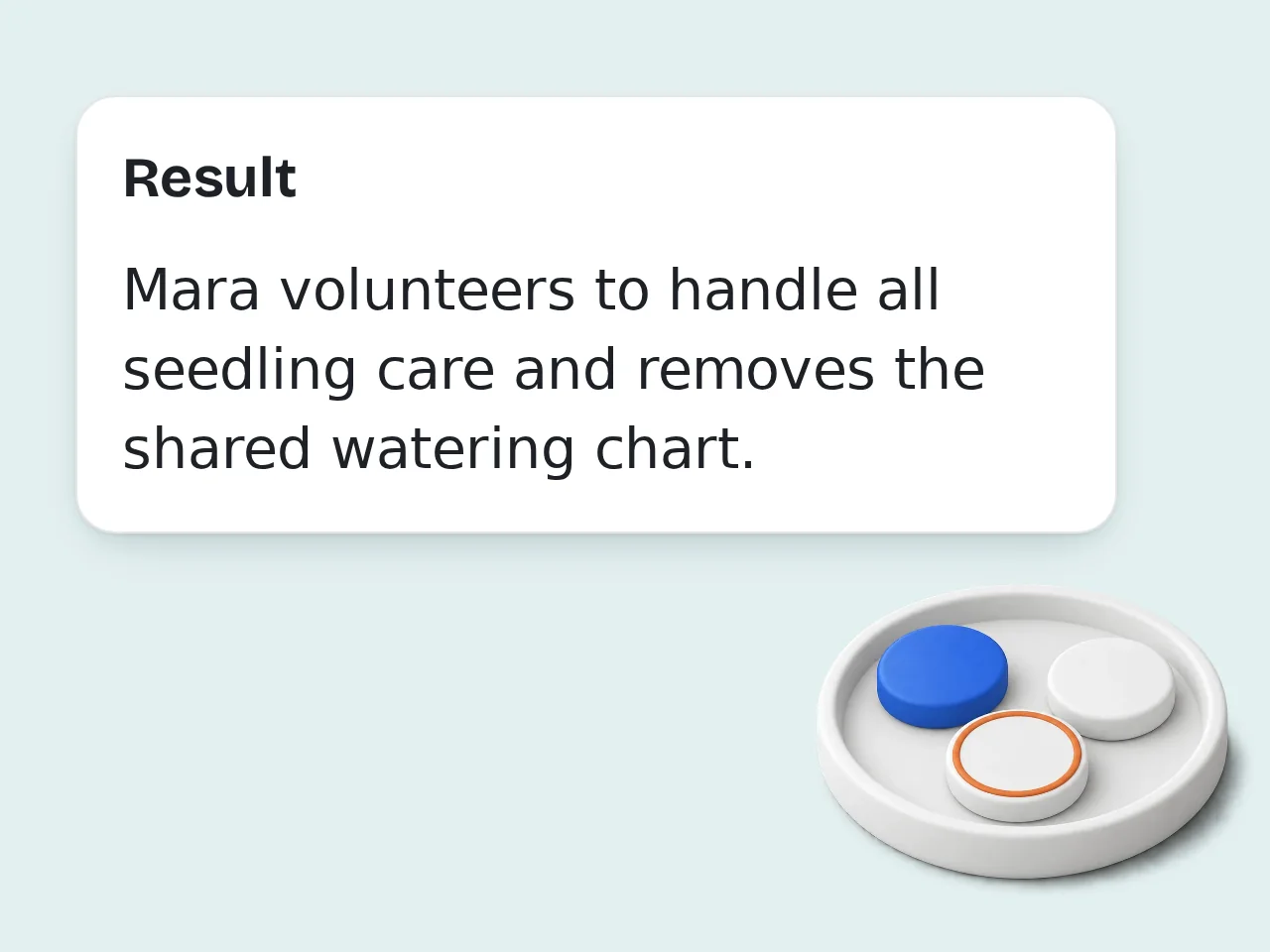
Study Before You Adapt
Read the annotated beats and structure check first. Use the neutral pattern—not the sample's names or events—to plan your own work.
Story Outline Example Features for Learning Structure
Study a filled model, inspect its logic, and transfer the pattern
Fully Annotated Story Outline Example
Read a complete example instead of a blank worksheet. Every beat includes what happens, why it appears there, and how it pushes the next event.
Cause-and-Effect Beat Notes
Follow choices, consequences, tension changes, setup, and payoff. The structure check identifies one weak link and demonstrates a focused repair.
Reusable Pattern Without Copying
Separate the example plot from its underlying structure. A neutral prompt sequence lets students and writers build an original version safely.
Story Outline Example Questions
Clear answers about worked examples, annotations, classroom use, credits, and adaptation
What is a story outline example?
A worked outline is a filled planning model that shows a story's major events in order, from setup through conflict, climax, and resolution. A strong example also explains why each beat belongs there. This tool adds purpose, cause-and-effect, and tension notes beside the events, so you can study the mechanics rather than copy the plot. It finishes with a neutral pattern you can adapt to your own characters and subject.
How do I use the story outline example generator?
Enter the kind of story or assignment you want demonstrated, then choose a format and learning goal. You can also select a framework, genre, annotation depth, and reader level. The tool returns a snapshot, annotated beats, a structure check, and a reusable pattern. Read the cause-and-effect notes before adapting anything; they show which character choice creates the next problem and prevent a new outline from becoming a list of unrelated scenes.
Is the story outline example generator free to use?
Yes, this generator can be tried with included credits. Guests receive 10 credits per day, free registered users receive 100 credits per month, and subscribers receive more credits according to their plan. Each request uses the current credit cost displayed for this tool, so the allowance is not a fixed number of examples. Combine your format, subject, and learning goal in one request to make the first model more useful.
How many free credits can I use for a story outline example?
Guests receive 10 credits each day, while free registered users receive 100 credits each month. Subscribers get additional credits based on their selected plan. Credits are an allowance rather than a promised number of outputs because tools may have different per-request costs. Check the cost shown near the generator before submitting. If you need several classroom variations, first create one well-annotated example, then change only the format or framework for a controlled comparison.
Can I create a story outline example without an account?
Yes. A guest can create one without registering and receives 10 daily credits right away. A free account provides 100 credits per month, while subscriptions include more credits according to plan. Save your subject or assignment notes in your own document before submitting. To get a useful guest result, specify who the example is for, what format it should demonstrate, and whether the main lesson is structure, causality, or comparison.
What should a good short story outline example include?
A good short story outline example includes a focused protagonist, one central want, escalating obstacles, a decisive climax, and a change that resolves the story's main question. It usually needs fewer beats than a novel because every event must carry weight. The annotations should show how one decision creates the next consequence. Look for a setup that pays off near the ending and remove side plots that do not pressure the central choice.
Can students use a story outline example for an assignment?
Students can use a story outline example to identify setup, rising action, climax, and resolution before planning an original assignment. The safest method is to study each annotation, hide the filled events, and answer the reusable prompts with new characters and consequences. Do not submit the generated example as personal work. Teachers can choose the student or facilitator level to make structural terms clear and turn the result into a discussion model or revision exercise.
How is this different from a story outline template?
A story outline template gives you empty sections to complete, while this tool starts with a fully filled and annotated story outline example. That difference matters when a learner does not yet understand what a useful answer looks like. After demonstrating concrete beats, the tool extracts a blank, plot-neutral pattern for practice. Use the example page to learn the logic; use a template when you already know the structure and mainly need organized spaces for your own material.
How is this different from a story outline builder?
A story outline builder primarily turns your material into a custom plan for drafting. This teaching tool uses a demonstrative model, explains each beat's job, and separates transferable structure from sample content. The output includes tension labels, causal notes, and a structure check even when the user provides only a topic. Choose a builder when the plan itself is the deliverable; choose this page when understanding and adaptation are the deliverables.
How can I adapt a story outline example without copying it?
First identify the abstract function of each beat, such as introducing pressure, forcing commitment, reversing an assumption, or making the final choice costly. Then replace the character, goal, obstacle, setting, and consequence while preserving only that function. Use the plot-neutral pattern included after the story outline example and close the filled model while drafting. Finally, compare causal links rather than wording: your events should lead logically forward, but they should not mirror the sample's distinctive sequence.
Still have questions?
Contact our support teamCreate a Story Outline Example You Can Learn From
Generate a filled model, understand its mechanics, and reuse the pattern in an original story.